Author: Ryan Wynkoop

  • Online Courses

    Online Courses

    Creating an effective and meaningful online course takes planning and time. I have extensive experience in creating online courses for formal higher education, professional development, and compliance.

    Birck Onboarding

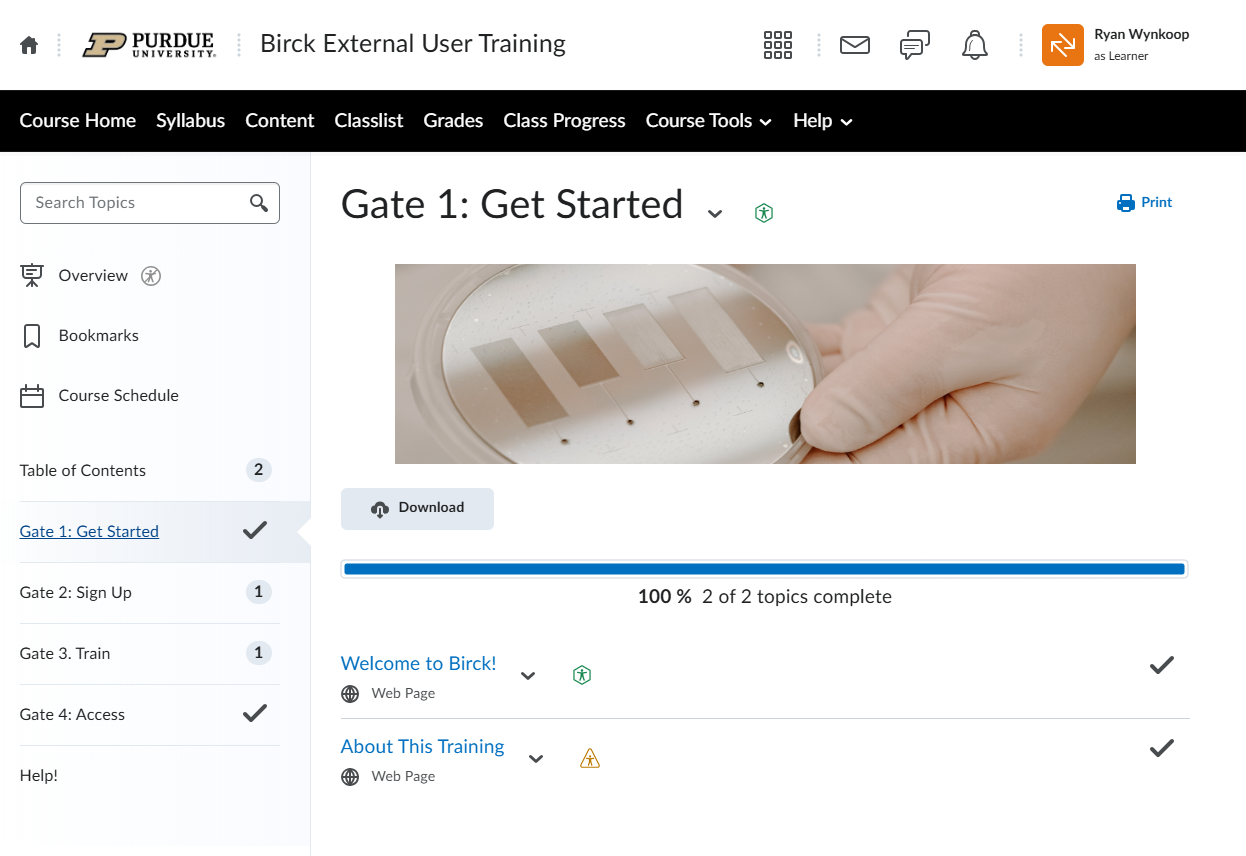
    I worked with the Birck Nanotechnology Center to update their onboarding process for external users. Their existing process was causing significant delays in users entering the facility, and the training was simply a PowerPoint that learners read.

    After working with the SMEs, we were able to shorten the onboarding timeline to about one week. The course was updated to pages in Brightspace to include interactivity.

    The course was launched in July 2026 with over 30 learners completing it without any issues.

  • Video

    Video

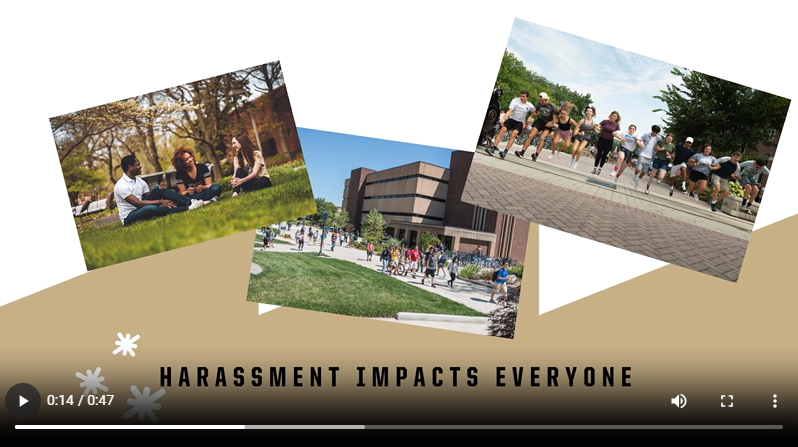
    Video is a necessary format for learning today. I am proficient in creating videos using software such as Camtasia, Canva, and Adobe Spark.

    Camtasia: Training video

    Canva: motivational video

  • Instructor-led Training

    Instructor-led Training

    Learner Engagement & Assessment Workshop

    One area of instructional design I really enjoy is designing in-person and virtual workshops, including handouts and job aids to supplement learning.

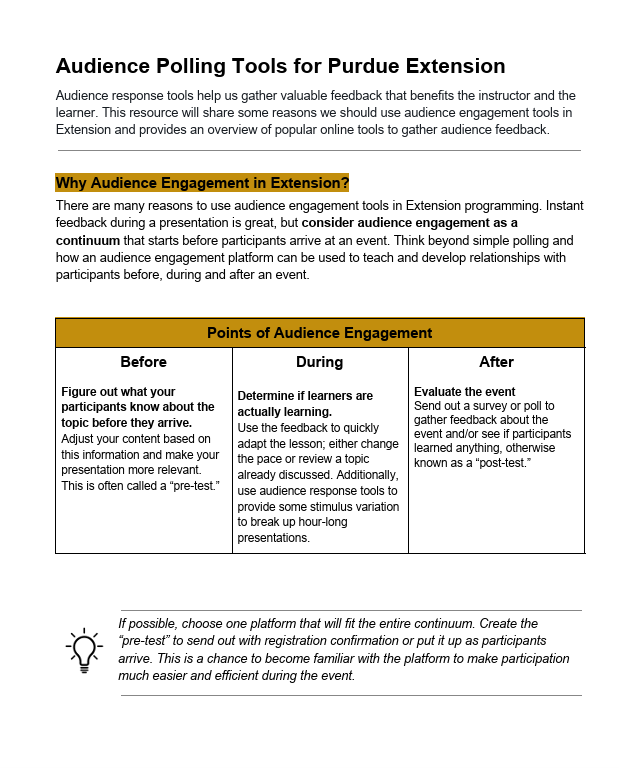
    One popular workshop I designed and delivered was a train-the-trainer workshop focused on polling tools to increase learner engagement in non-formal learning events.

    Keeping audiences engaged during presentations and determining whether learners are learning anything can be challenging. This handout accompanies a presentation that discusses when, why, and how to use various platforms to engage audiences or assess knowledge gain or behavior change. 

    Software: Google Docs, Google Slides, PollEverywhere, Mentimeter, DirectPoll, Google Q&A, Slido

    Format: synchronous face-to-face or virtual

    Audience: adult learners

    Features: immediate application (considering adult learning theory), educational technology tools, hands-on practice

  • E-learning

    E-learning

    Learning can happen almost anywhere, anytime. E-learning is a major contributor to this. But meaningful e-learning has to be more than a video of a narrated slide presentation. And, sometimes, e-learning isn’t the solution at all!

    Below are examples of my e-learning design and development abilities.

    Adobe Captivate Module

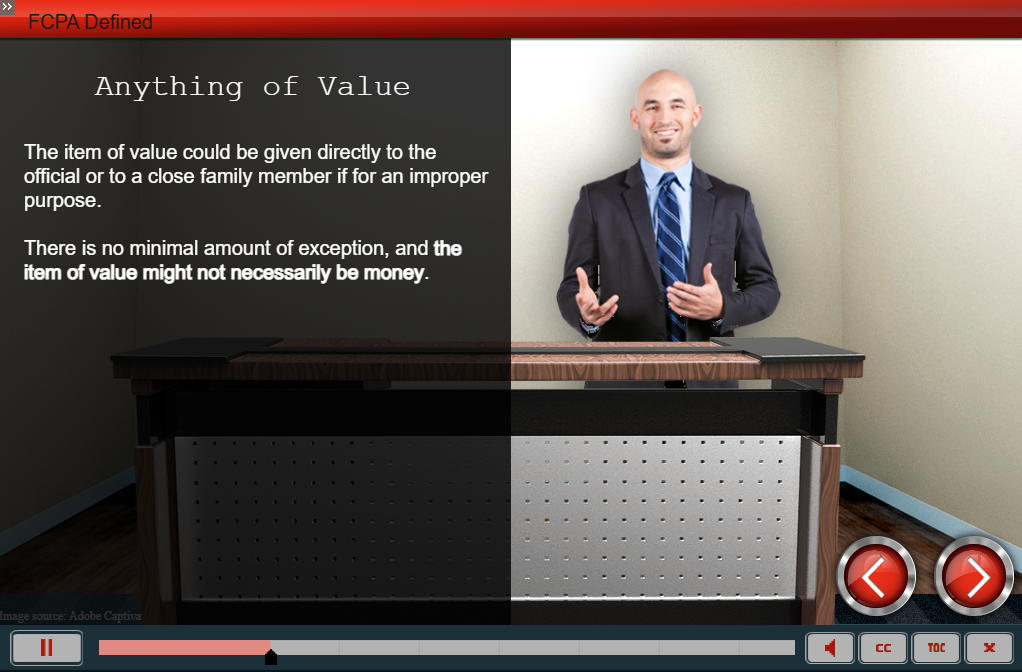
    “Foreign Corrupt Practices Act” had a James Bond-esque feel, so I used Adobe Captivate to create an action/adventure/spy theme for this module to build intrigue and excitement around what could be a boring, mundane topic. 

    Software: Adobe Captivate

    Format: asynchronous, self-directed e-learning module

    Audience: adult learners; employees of higher education institutions working with foreign entities

    Features: scenario-based, interactivity, real-world examples

  • Job Aids

    Job Aids

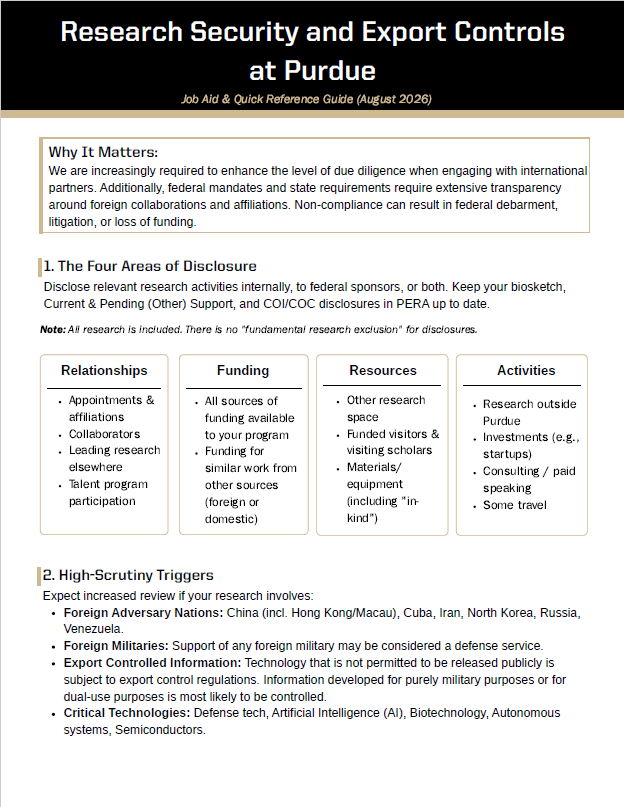
    I like to develop one-page job aids to include with asynchronous online trainings or as a supplement to in-person classes or trainings. Here are two examples of job aids I developed.

  • Storyboarding

    Storyboarding

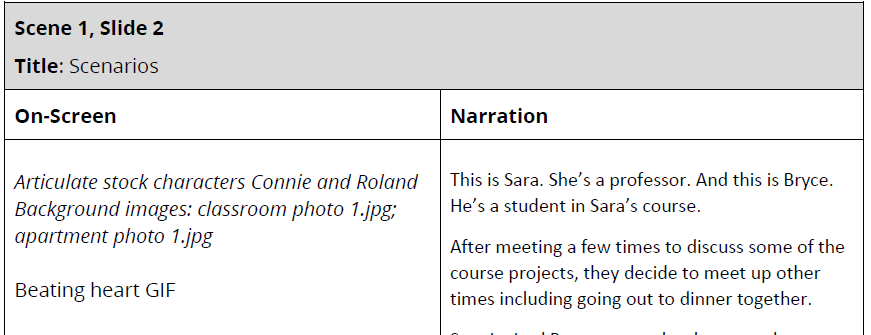
    Good learning (especially e-learning) starts with good storyboarding. Here are some examples of design documents and storyboards created for e-learning modules. 

    Amorous Relationships Policy Storyboard

    Foreign Corrupt Practices Act Storyboard

    Storyboarding

    Published on

    Comments

    Leave a Reply

    This site uses Akismet to reduce spam. Learn how your comment data is processed.

  • Content Analysis & Needs Assessment

    Content Analysis & Needs Assessment

    When I began as an instructional designer for a unit at Purdue, I realized everyone would benefit from a training plan.

    After spending a few months analyzing the existing training content and becoming familiar with the needs of the unit and subject matter experts, I prepared a comprehensive training plan that included updating the website, reviewing current training to identify overlaps and gaps, preparing supplementary materials, and more.

    This plan was mostly implemented as written, despite being finalized during the COVID-19 pandemic, which moved almost everything online for a year or so.